Regulatory Changes Driving New Compliance Frameworks in Hybrid Gambling Platforms
Written by Elena Coleman · Oct 16, 2026
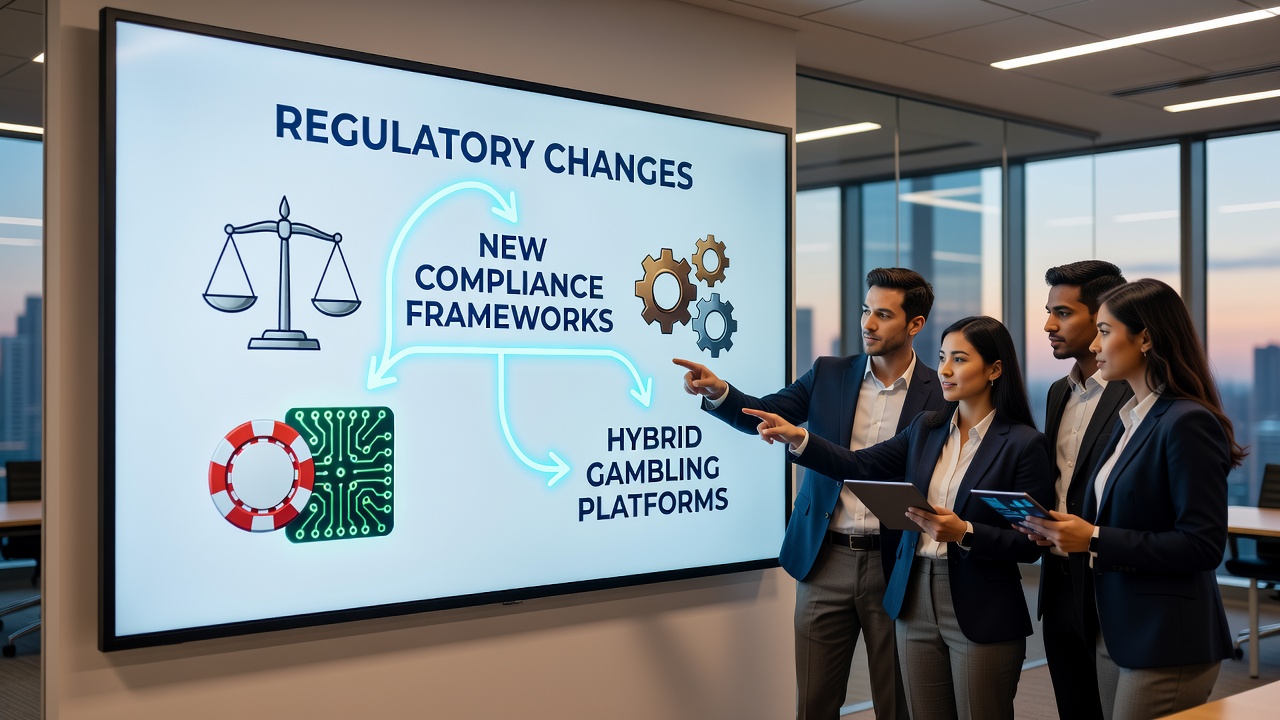
Regulatory Changes Driving New Compliance Frameworks in Hybrid Gambling Platforms
Hybrid gambling platforms that combine online casino games with sports betting face shifting regulatory landscapes across multiple jurisdictions, and these changes continue to shape new compliance frameworks as of late 2026. Governments and oversight bodies have introduced updated rules that address licensing, data protection, responsible gambling tools, and tax reporting in ways that directly impact operators blending these product types. Research from industry reports shows that platforms must now integrate real-time monitoring systems and enhanced customer verification processes to meet evolving standards.
Key Regulatory Developments Across Regions
North American jurisdictions have advanced several measures since 2024, with states and provinces requiring hybrid operators to separate certain functions while still allowing integrated user accounts. Data from the National Conference of State Legislatures indicates that more than 30 US states now enforce specific compliance protocols for platforms offering both casino-style games and sports wagers, including mandatory segregation of betting pools and audit trails for cross-product promotions. Observers note that these rules emerged after regulators identified gaps in earlier frameworks where operators could route funds between casino and sports sections without sufficient oversight.
Canadian provinces such as Ontario have implemented licensing regimes that demand detailed reporting on player activity across hybrid offerings, and operators must submit quarterly compliance attestations covering anti-money laundering checks and age verification accuracy. Those who've reviewed provincial filings find that failure rates on initial submissions dropped from 22 percent in 2023 to under 9 percent by October 2026, reflecting improved internal systems at major platforms.
Impact on Platform Architecture and Operations
Hybrid operators have responded by redesigning their backend infrastructure to accommodate new compliance layers without disrupting user experience. Systems now often include automated flags for unusual wagering patterns that span both casino sessions and sports markets, and these alerts feed directly into centralized compliance dashboards. Experts at gaming technology firms report that such integrations typically require between six and eighteen months to fully deploy, depending on the scale of existing codebases.
European markets present additional layers through directives that emphasize consumer protection across borders, and hybrid platforms serving multiple countries must maintain separate compliance modules for each regulatory environment. One study from a European research consortium revealed that platforms adopting unified yet modular compliance architectures reduced audit preparation time by approximately 35 percent compared with those maintaining fully separate regional systems. What's interesting here is how these modular approaches allow operators to update individual components when single jurisdictions revise their rules, rather than overhauling entire platforms.

Technology Requirements and Reporting Standards
New frameworks place heavy emphasis on real-time data sharing with regulators, and platforms must often provide API access for automated oversight of transaction volumes and player behavior metrics. Australian regulatory sources, including summaries from the Australian Gambling Research Centre, highlight that operators in that region now submit daily feeds covering deposit limits and self-exclusion matches across both casino and sports products. Those implementing these feeds early encountered fewer reconciliation issues during scheduled reviews.
Tax reporting obligations have also tightened in several locations, requiring granular breakdowns of revenue by product type and jurisdiction. Hybrid platforms must therefore maintain ledgers that distinguish sports betting turnover from casino game revenue even when promotional offers cross both categories. Figures released by provincial authorities show that accurate categorization has become a common audit focus, with discrepancies triggering extended review periods.
Training and Internal Governance Adjustments
Staff training programs at hybrid operators have expanded to cover the nuances of combined product compliance, and many firms now require annual certification for employees handling customer support or risk monitoring. Researchers tracking workforce changes observe that dedicated compliance teams have grown by an average of 18 percent at mid-sized platforms between 2024 and October 2026. This growth stems directly from the need for specialized knowledge in areas such as cross-product responsible gambling interventions.
Internal governance documents increasingly reference specific regulatory clauses, and boards receive regular updates on compliance metrics tied to hybrid operations. The reality is that these updates help organizations stay ahead of potential enforcement actions while maintaining operational continuity across product lines.
Conclusion
Regulatory changes continue to push hybrid gambling platforms toward more sophisticated compliance frameworks that integrate technical, operational, and reporting elements. Platforms that adapt their systems and processes in line with these developments position themselves to operate across multiple jurisdictions with greater consistency. Data from regulatory filings and industry analyses demonstrates measurable progress in verification accuracy and audit readiness, while ongoing refinements in October 2026 and beyond indicate that further adjustments remain likely as authorities refine their approaches.