Tracing the Rise of AI-Powered Odds in Digital Wagering Ecosystems
Written by Sam Griffin · Oct 2, 2026
Tracing the Rise of AI-Powered Odds in Digital Wagering Ecosystems
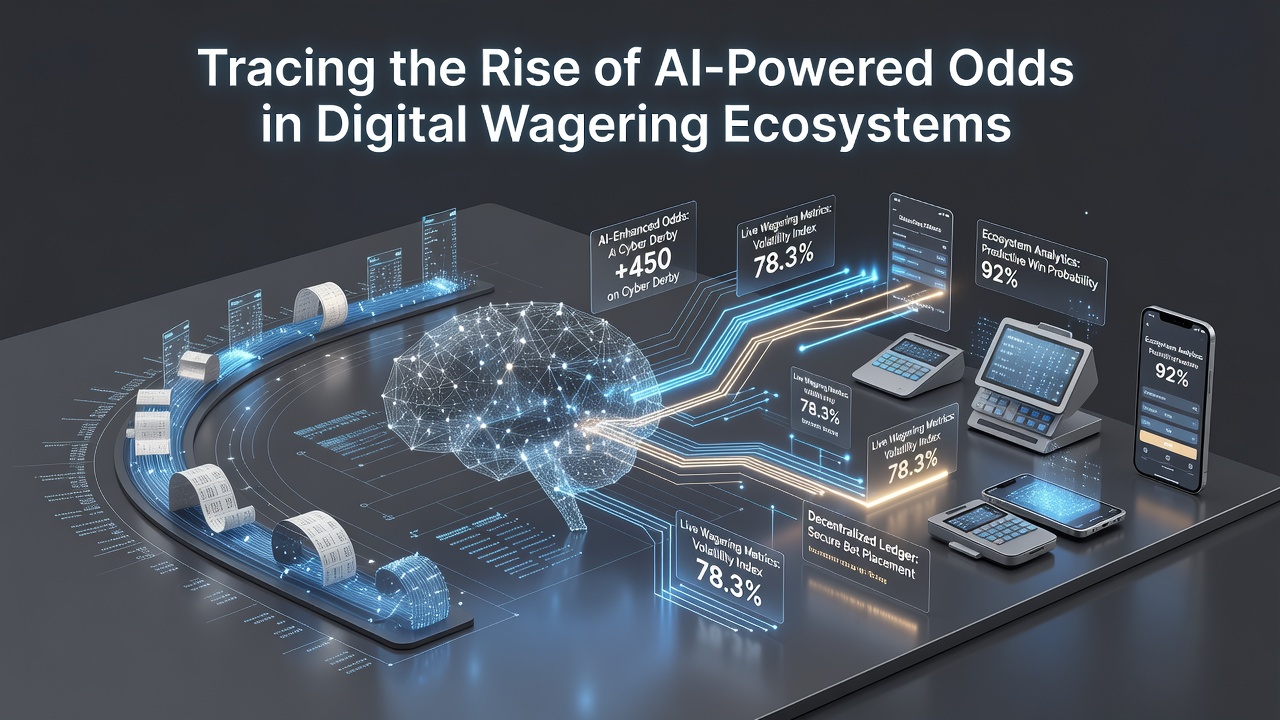
Digital wagering platforms have integrated artificial intelligence into odds compilation for more than a decade, and the pace accelerated after 2020 as operators sought faster responses to live events and shifting bettor patterns. Researchers at several North American institutions documented how machine learning models replaced earlier statistical formulas that relied on historical averages and manual adjustments by traders.
Early Automation and the Shift Toward Machine Learning
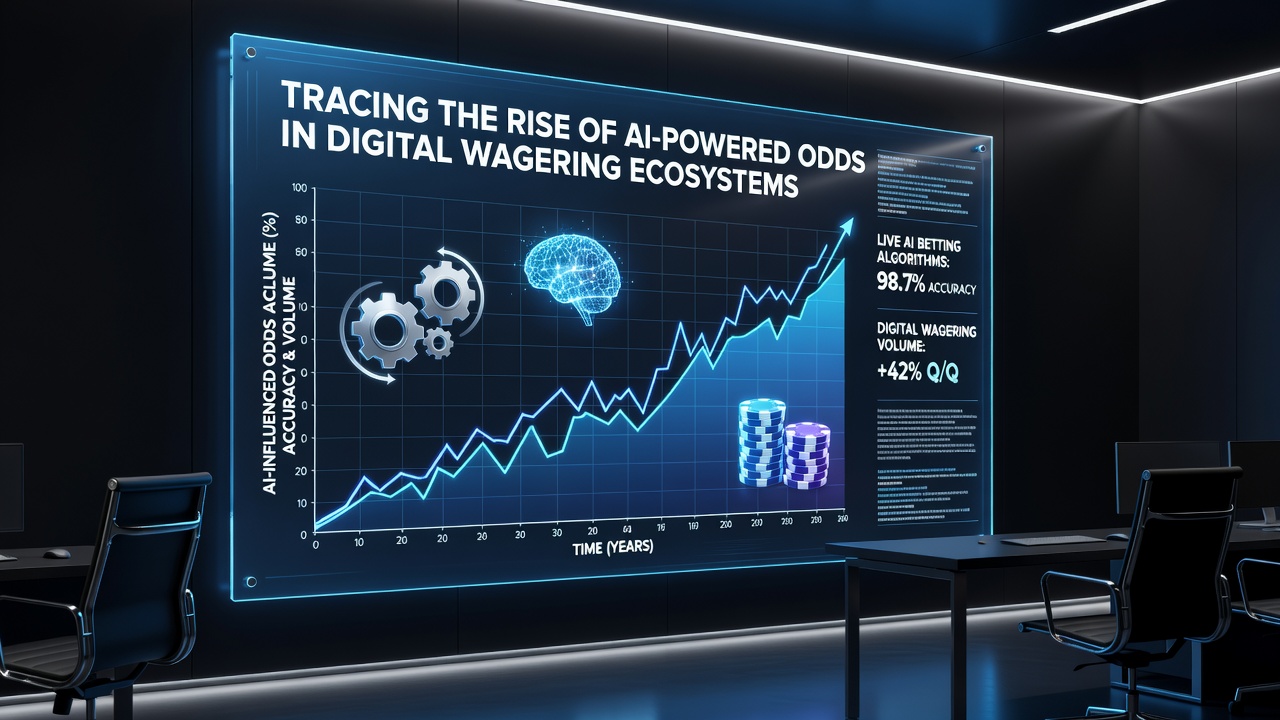
Bookmakers in the early 2010s used basic algorithms to update lines on major sports, yet those systems still required human oversight for unusual market movements. By 2018 several large operators began testing neural networks that processed thousands of variables simultaneously, including player injuries, weather data, and social media sentiment. A 2022 study from the University of Nevada Las Vegas examined transaction logs across multiple sportsbooks and found that AI-adjusted odds updated 40 times more frequently than legacy systems during live matches.
Those early deployments focused on high-volume markets such as football and basketball, where data density supported model training. Smaller sports and niche propositions continued to rely on traditional pricing until larger datasets became available through wearable technology and stadium sensors.
Real-Time Data Integration and Model Architecture
Contemporary AI odds engines combine structured statistics with unstructured inputs such as referee calls captured in broadcast feeds or weather radar updates. Models ingest these streams through application programming interfaces that connect directly to league data partners and satellite services. According to figures released by the Nevada Gaming Control Board, the average latency for line movements in regulated Nevada sportsbooks dropped from 12 seconds in 2019 to under three seconds by mid-2025.
Operators train separate models for pre-match pricing and in-play adjustments, then route outputs through risk-management layers that flag potential exposure spikes. When unusual betting volume appears on one side of a market, the system can widen spreads or suspend wagers within milliseconds while human supervisors review the situation.
Regulatory Developments Through 2026
State and provincial regulators outside the United Kingdom have issued guidance on transparency requirements for algorithmic pricing. In October 2026 the Pennsylvania Gaming Control Board began requiring operators to retain audit logs that document every variable change made by AI systems during a 90-day window. Similar rules took effect earlier in the Australian state of New South Wales, where the Independent Liquor and Gaming Authority mandated quarterly model-validation reports from accredited third-party auditors.
These measures address concerns about fairness without mandating disclosure of proprietary code. Industry associations such as the European Gaming and Betting Association have published voluntary standards that encourage operators to maintain human override capabilities even when automated systems handle the majority of line movements.
Impact on Bettor Behavior and Platform Economics
Platform analytics teams report that bettors place wagers more quickly when odds refresh continuously, which increases handle but also raises the frequency of small-stake activity. One study published by researchers at the University of Sydney in 2025 tracked account-level data and observed that users exposed to rapid AI-driven price changes placed 28 percent more bets per session compared with those using slower-updating interfaces, although average stake size remained stable.
Operators have adjusted promotional structures accordingly. Cash-out features now rely on the same models that generate live odds, allowing immediate valuation of open positions. This integration reduces manual reconciliation costs and limits disputes over settlement prices.
Challenges in Model Accuracy and Market Integrity
Despite performance gains, AI systems occasionally produce pricing anomalies during low-data events or when external feeds experience outages. In such cases platforms fall back to reserve models or suspend markets entirely. The Canadian Gaming Association documented 17 instances across member operators in 2025 where AI-generated lines deviated more than three standard deviations from consensus markets, prompting temporary halts until human traders intervened.
Cross-border data sharing remains limited, which restricts training datasets for operators licensed in multiple jurisdictions. Some firms address this constraint by pooling anonymized transaction records through industry consortia that operate under strict privacy protocols approved by data-protection authorities in the European Union and Canada.
Conclusion
AI-powered odds have become a core component of digital wagering infrastructure, supported by continuous data streams and regulatory frameworks that emphasize auditability. As of October 2026, platforms in regulated markets continue to refine these systems while meeting jurisdiction-specific requirements for transparency and human oversight. The trajectory shows increasing reliance on automated pricing across both major and emerging sports, with ongoing collaboration between operators, regulators, and academic researchers to maintain market stability.